How Rezbin Automated Billing for Their SaaS Clients with Mochi

Before Rezbin became a business, it was a conviction. That recycling in the Philippines didn't have to be complicated, inaccessible, or thankless.
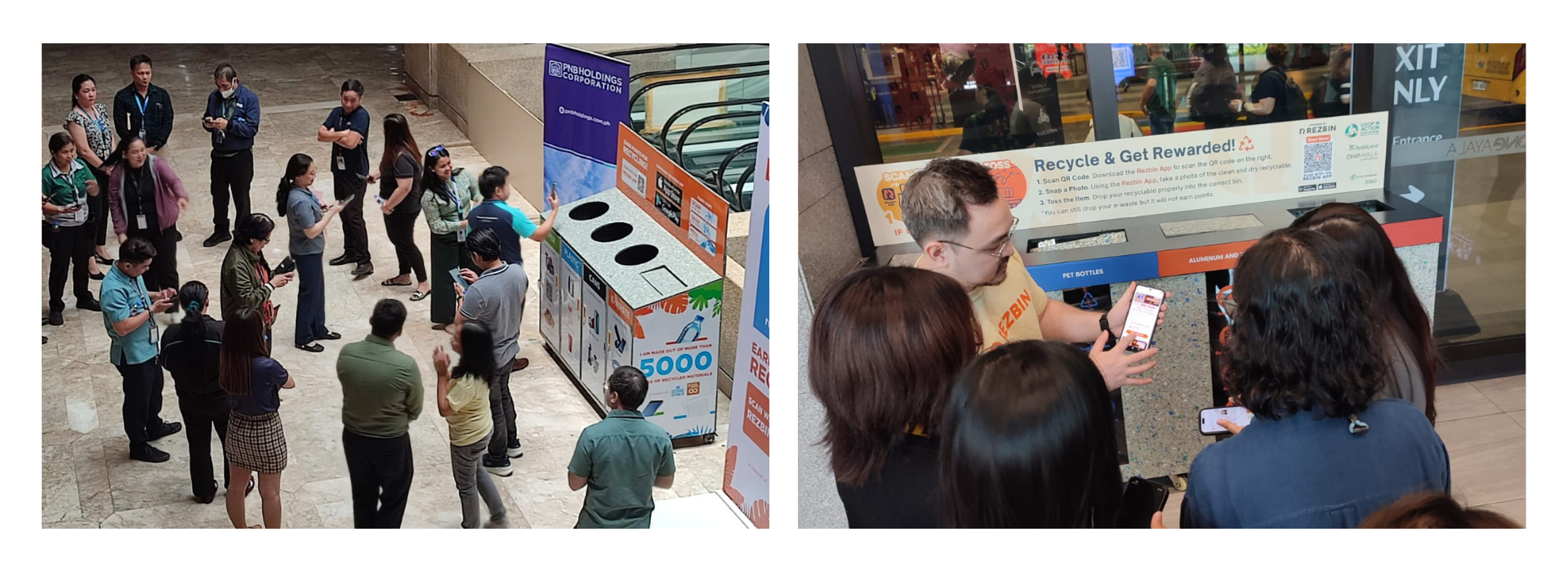
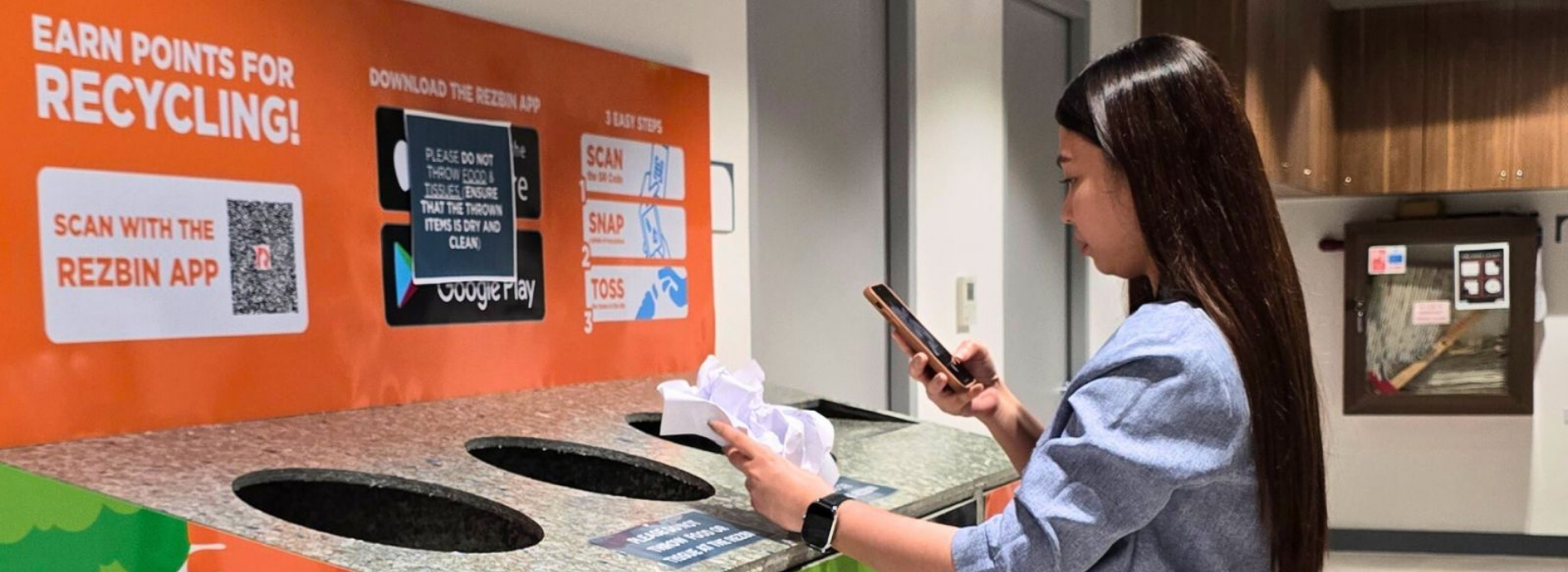
Rezbin transforms ordinary bins into recycling stations that reward users with points redeemable across 500 merchants nationwide. It's a low-cost, software-driven take on the reverse vending machines you see abroad, built specifically for a country where recycling infrastructure is still catching up. Their clients are offices, commercial buildings, universities, and schools. Organizations that want sustainability built into their everyday operations, not just on paper.
But behind every mission-driven startup is an operational reality. And for a lean team simultaneously building proposals, pitching clients, and managing a growing SaaS subscriber base, invoicing was silently becoming a problem.
The Challenge: Manual Billing Doesn't Scale With a SaaS Model
When Rezbin was just starting out, handling invoices manually was manageable. A handful of clients, a few follow-ups. It was fine. Then the client base grew.
For a SaaS business with clients on monthly billing cycles, manual invoicing isn't a one-time task. It's a recurring one, and it compounds. Creating the invoice is just the beginning. The follow-ups, the reminders, the tracking. All of it was landing on Mica's plate every single month, on top of everything else a lean startup demands.
The volume and repetition became a drain that was hard to ignore. Time spent on invoicing was time not spent on growing the business, engaging users, or building the sustainability mission Rezbin was founded on. At a certain point, coordinating everything by hand, especially payment reminders, just wasn't something a small team could keep absorbing.
What Rezbin needed wasn't just a tool. It was a platform they could actually trust to handle invoicing reliably, without it feeling like a person was just chasing clients for payment.
Finding Mochi
Mica already knew about Mochi when she eventually reached out. The decision wasn't complicated.
For a startup looking to operate like a serious business, having a proper billing platform mattered. The driving factor was straightforward: find something that could invoice clients professionally and consistently, every month, without manual intervention.
That clarity made the choice easy.
How Rezbin Uses Mochi Today
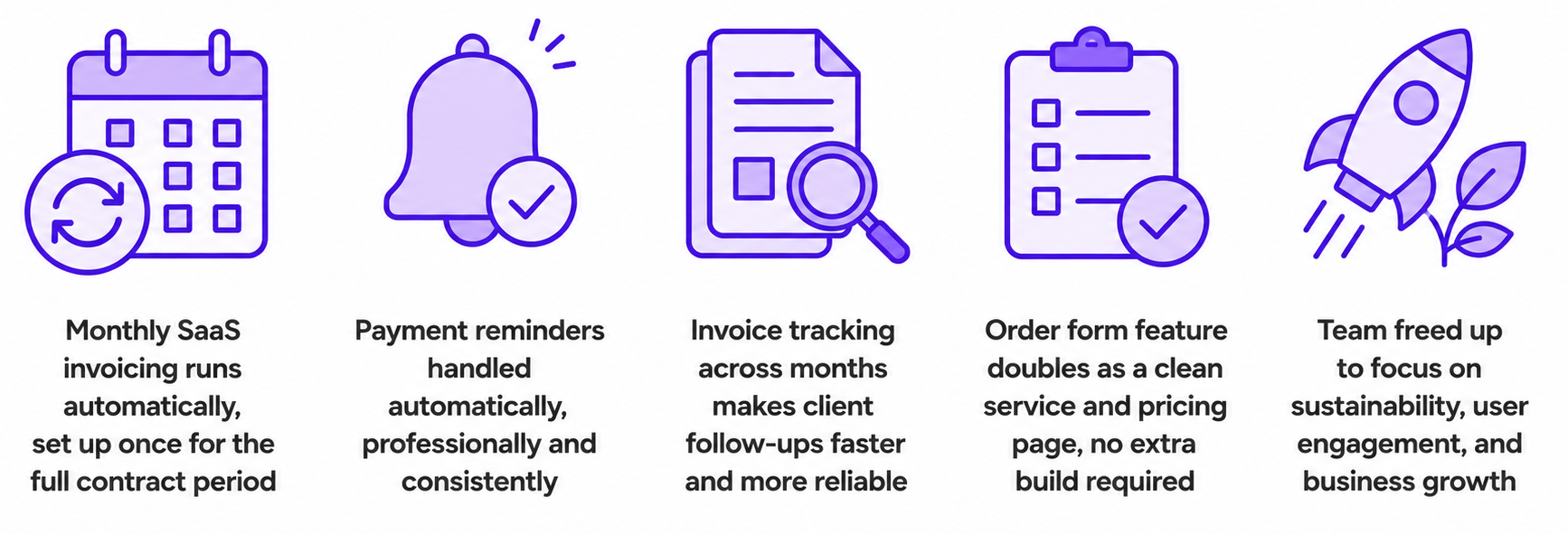
The moment a client signs with Rezbin, Mica logs into Mochi, inputs their details, and sets up billing. For recurring contracts, typically 12 months, she configures an invoice once and lets it run.
It's not just about saving time. It's about what automated, professional billing signals to clients, and that Rezbin is a platform worth trusting. There's a proper system doing the work, and that changes the dynamic of the client relationship.
Beyond recurring invoicing, Mica also found an unexpected use in Mochi's order form feature. As a B2B business, clients still need a conversation before committing. But having a clean, structured view of Rezbin's services and pricing meant one less thing to build from scratch. Instead of putting together a separate order form for their website, Mochi's form gives clients a clear view of what's on offer without any extra effort on the team's end.
And when Mica needs to reference a specific transaction during a follow-up, invoice numbers tracked across months make that a quick lookup instead of a manual search through old messages.
The Results
What's Next for Rezbin
Rezbin recently hit a major milestone. Their first public-facing recycling bin launched at One Ayala, where anyone can walk up, scan, and start earning rewards for their recyclables. It's the beginning of a longer vision: moving beyond offices and buildings toward more public spaces, schools, and communities where sustainable behavior becomes part of everyday life.
As that vision scales, so does the need for billing infrastructure that scales with it, quietly, reliably, in the background. The operational side of the business needs to keep up with the mission, and having a system like Mochi handling the recurring work means the team stays focused on what they actually set out to do.
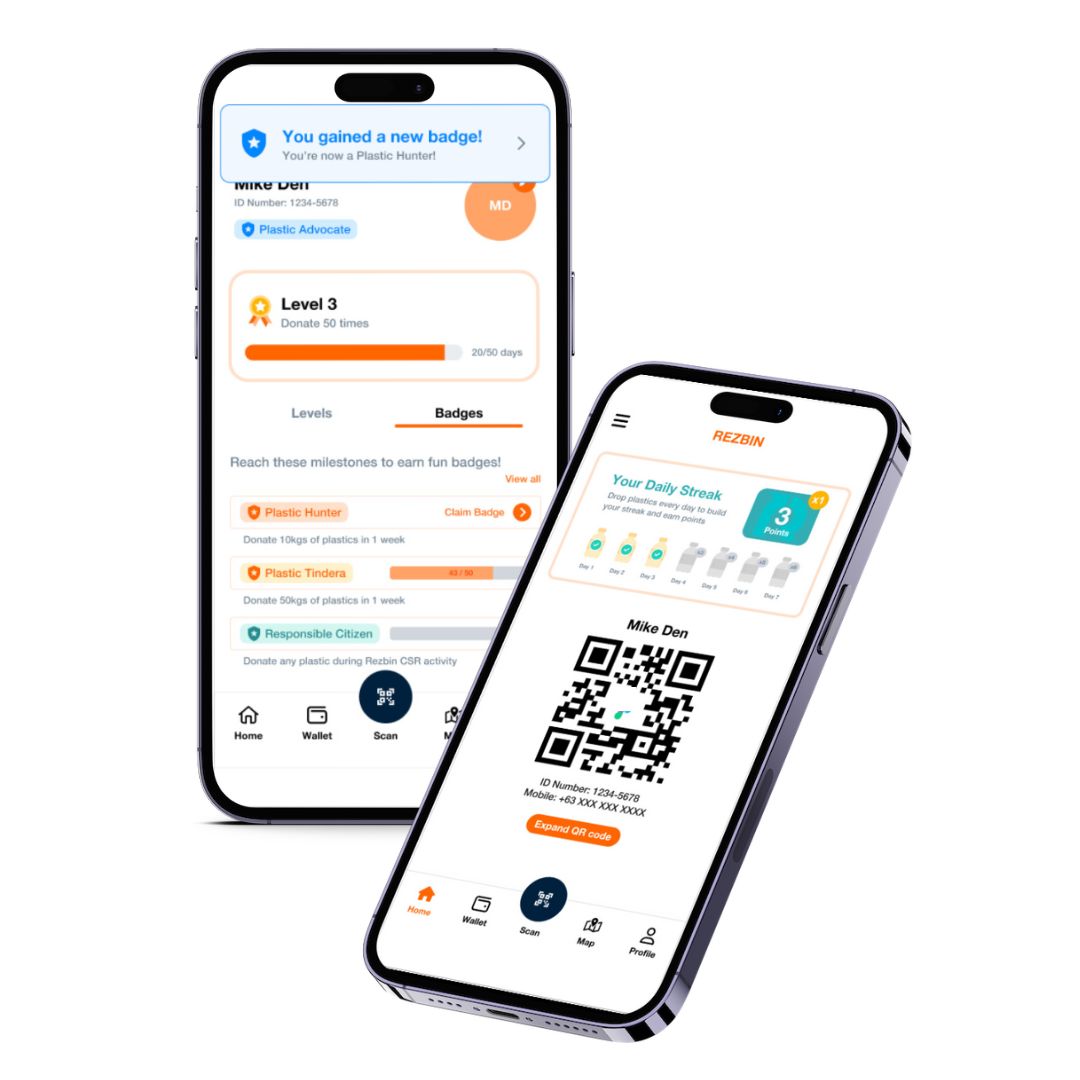
Rezbin is a sustainability tech startup helping businesses and organizations build recycling habits through reward systems. Learn more about how Mochi supports SaaS and tech startups in the Philippines here.